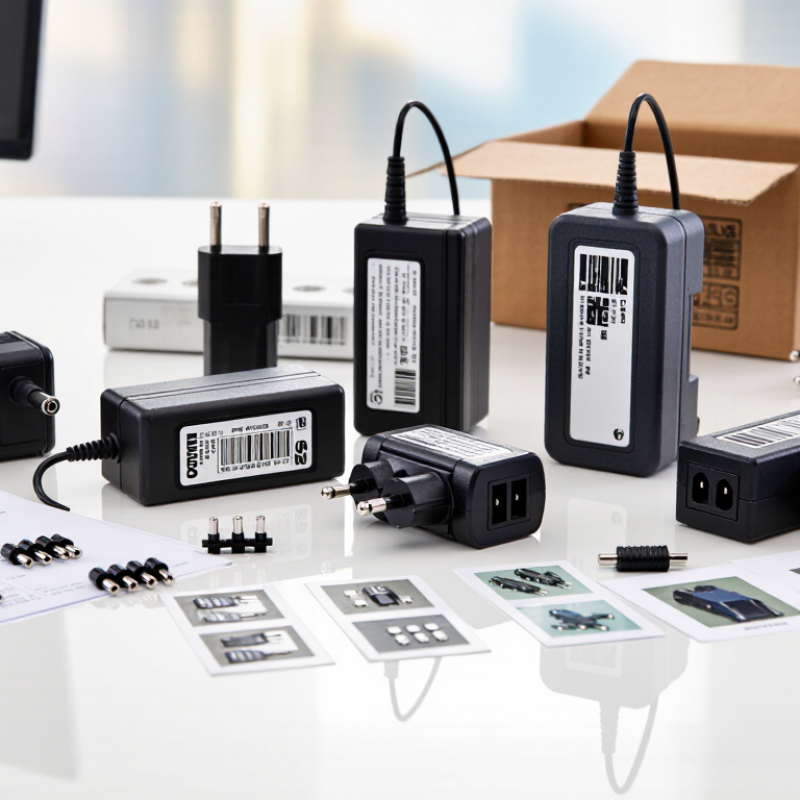
Buying a Dc Power Adapter for international use is rarely a simple wattage decision. A product may fit one market and fail in another. Buyers must compare input voltage, output stability, connector size, polarity, and plug format. A 12V adapter can look suitable, yet its barrel plug may be 0.5 millimeters too wide. That small mismatch can stop a device from starting. Real purchasing experience shows that labels alone are not enough. Ask for a complete datasheet, clear product photos, and test samples before placing a large order.
Global sourcing also requires careful supplier evaluation. Check the manufacturer’s quality process, traceability, inspection records, and response time. Request evidence of relevant safety and electromagnetic compatibility testing for the destination market. Requirements differ by country and product category, so independent verification remains sensible. Do not rely on a certificate image alone. Confirm its scope, issuing body, model number, and validity. A reliable supplier should explain protection features in plain language. These may include overvoltage, overcurrent, short-circuit, and overheating protection.
Costs deserve a wider view. Unit price is only one part of the purchase. Compare shipping charges, minimum order quantities, packaging, warranty terms, spare stock, and delivery schedules. Confirm carton dimensions before transportation begins. Small errors can increase freight costs quickly. Even experienced buyers miss details sometimes. A checklist can still fail. That is why this guide presents ten practical Dc Power Adapter buying tips, combining technical checks, supplier questions, sample testing, and realistic risk control for global purchasing decisions.
Define Global Voltage Needs: 100–240 VAC and 50/60 Hz Compatibility
Global voltage compatibility is the first filter when buying a DC power adapter for international use. Look for an input rating of 100–240 VAC and 50/60 Hz on the adapter label. This range supports many household power systems, from 100-volt supplies to 240-volt supplies. Frequency coverage matters too. A 50 Hz-only unit may not suit every destination.
I check the label before checking the plug. The output must match the device’s required voltage, current, polarity, and connector size. Input compatibility does not guarantee safe operation. A 12 V device needs a stable 12 V output, not an approximate setting. Current capacity can be equal to or higher than the device requirement. Never guess polarity from the connector shape. Measure carefully, if needed.
Real travel conditions can expose weaknesses. Voltage may fluctuate in older buildings, especially when compressors or heaters start. I prefer adapters with clear markings, insulated housings, strain relief, and documented safety testing. The plug may still need a country-specific adapter. That detail is easy to miss. Check the destination socket and grounding arrangement before shipment. Also allow ventilation around the adapter; a hot surface can indicate overload, poor airflow, or a mismatch. My own checks are not perfect, so I record the destination, device model, and measured output before approving a purchase.
Match Output Ratings: Voltage, Current, Wattage, and USB PD up to 240 W
When buying a DC power adapter, match the output voltage exactly. A small mismatch can cause unstable operation or permanent damage. Read the device label, not only the adapter advertisement.
Current is different. The adapter may provide more current than the device needs, but it should not provide less. Check the plug size, polarity, and connector shape as well.
Calculate wattage by multiplying voltage by current. For example, 19 V at 3.42 A provides about 65 W.
Choose an adapter with enough capacity for the device’s peak demand, not merely its average use. For USB Power Delivery, confirm the required charging profile. USB PD can reach 240 W, but the charger, cable, and device must all support that level. A high-wattage label alone proves little.
Global buyers should separate input ratings from output ratings. An adapter accepting 100–240 V AC is more flexible, while its DC output still needs an exact match.
I once checked voltage and current but overlooked the connector length. The adapter fitted loosely and overheated during testing. That mistake changed my inspection routine. Use a meter when possible, observe heat under load, and leave modest power headroom. Specification sheets can be incomplete. Verify critical details with the equipment manufacturer or a qualified technician.
Verify Efficiency: DOE Level VI, EU CoC Tier 2, and No-Load Limits
When buying DC power adapters globally, verify efficiency claims instead of trusting a sales sheet. DOE Level VI is a useful benchmark for the United States. It evaluates active-mode efficiency and power consumption without a load. EU Code of Conduct Tier 2 generally demands stricter performance, especially for low-power external supplies. However, it is often a voluntary efficiency commitment, not a universal legal approval. Confirm the exact market requirements before placing an order.
No-load consumption deserves close attention. An adapter may draw power while the connected device is switched off. Check the datasheet for measured no-load watts, input voltage, frequency, and test conditions. Ask for a recent laboratory report, not only a printed efficiency logo. During incoming inspection, connect the adapter to a reliable power meter and record standby consumption for several minutes. Small differences become expensive across thousands of units.
Look for clear output ratings, thermal limits, and tolerances. A compact adapter running hot may waste energy and age faster. I have seen specifications omit test temperature, which weakens comparison. That detail matters. Also, efficiency at one load point does not represent daily use. Test low, medium, and full load conditions. Requirements change, and older documents can mislead buyers. Recheck current regional rules before shipment.
Check Safety Compliance: IEC 62368-1, CE, UKCA, UL, and RoHS Requirements
When buying DC power adapters globally, safety compliance should guide every supplier conversation. I have seen identical-looking units carry very different documentation. The label, input range, output rating, and plug type must match the target market.
IEC 62368-1 is a key safety standard for many audio, video, information, and communication technology products. It evaluates hazards such as electric shock, fire, and energy-related injuries. However, IEC 62368-1 alone is not market approval. Ask for current test reports and confirm the tested model matches the offered adapter.
Check the CE requirements for the European market, including the manufacturer’s Declaration of Conformity. For Great Britain, verify whether UKCA obligations apply to the product and supply route. UL certification or listing may support acceptance in North America, but its scope and conditions must be checked carefully. RoHS addresses restricted substances in electrical and electronic equipment, not electrical safety performance. Request material declarations, test dates, and traceable laboratory details.
Small details matter.
During one supplier review, I focused too much on the certificate number and missed an output-plug variation. That mistake could affect compatibility and safety. Buyers should compare samples, markings, reports, and declarations line by line. A polished document can still be incomplete. When evidence conflicts, pause the order and ask precise technical questions.
10 DC Power Adapter Buying Tips for Global Buyers: Check Safety Compliance
EU RoHS restricts ten substance groups in homogeneous materials. The chart shows the maximum concentration limits commonly used for supplier verification. IEC 62368-1, CE, UKCA, and UL-related safety requirements should be checked separately according to the destination market and product configuration.
EU RoHS Annex II limits: 0.10% for most restricted substances and 0.01% for cadmium, measured by weight in homogeneous material. Applicable exemptions and the latest legal requirements should be verified before purchase.
Select Global Plugs: IEC 60320, Regional Adapters, IP Ratings, and EMC Tests
Global buyers often focus on output voltage and current. That is not enough. The input connection can create delays, compatibility problems, and safety concerns.
IEC 60320 couplers provide a familiar equipment-side connection, but they do not replace every regional wall plug. Check the correct coupler type, voltage range, frequency, and grounding arrangement. A removable regional adapter can simplify inventory, yet loose fit can cause heat or intermittent power. I once treated a universal adapter as a complete solution. That assumption was wrong. Socket geometry and certification still required careful checking.
IP ratings matter when the adapter faces dust, splashes, or outdoor installation. IP44 may resist splashing, while higher ratings offer stronger protection. However, the rating applies only under specified conditions. Cable entry points can remain vulnerable. Review the complete assembly, not just the enclosure label. EMC testing should include conducted emissions, radiated emissions, and immunity performance. Nearby motors, radios, or switching equipment may expose weaknesses during real operation. Request test reports that identify standards, test levels, and equipment configuration. Do not rely on a vague “EMC approved” statement. Testing conditions can differ from your application. A small pilot batch helps reveal connector heating, noise, and adapter fit before wider purchasing.
FAQS
Look for 100–240 VAC and 50/60 Hz compatibility. This range supports many household power systems worldwide. Check the label first.
No. The DC output must match the device’s voltage, polarity, connector size, and required current. Input and output differ.
Match the output voltage exactly. The adapter’s current capacity may be higher, but never lower, than the device requirement. Do not guess.
Multiply voltage by current. A 19 V, 3.42 A adapter provides about 65 W. Allow modest power headroom.
Confirm the device, charger, cable, and charging profile support the required power level. Power can reach 240 W. A high number proves little.
A connector may fit loosely or have incorrect polarity. Either issue can cause overheating, unstable operation, or damage. Shape alone is unreliable.
Older buildings may experience voltage fluctuations when compressors or heaters start. Keep airflow around the adapter and monitor surface temperature. Heat matters.
Record the destination, device model, output rating, connector length, and measured voltage. Inspect the adapter under load when possible. My checks are not perfect. One overlooked connector once caused loose fitting and overheating.
Conclusion
Choosing the right Dc Power Adapter for global markets requires careful attention to electrical compatibility, performance, safety, and regional use. Start by confirming that the adapter supports worldwide input ranges, typically 100–240 VAC and both 50 and 60 Hz frequencies. Its output voltage, current, and wattage must match the connected device, while USB Power Delivery applications may require support for power levels up to 240 W. Efficiency is also important, so buyers should review applicable DOE Level VI, EU CoC Tier 2, and no-load energy requirements.
Safety and market access should be verified through relevant standards and certifications, including IEC 62368-1, CE, UKCA, UL, and RoHS where applicable. Global plug selection should cover suitable IEC 60320 connections and regional adapters, while the intended environment may require an appropriate IP rating. Finally, electromagnetic compatibility testing helps reduce interference and supports reliable operation across different countries and installations.