
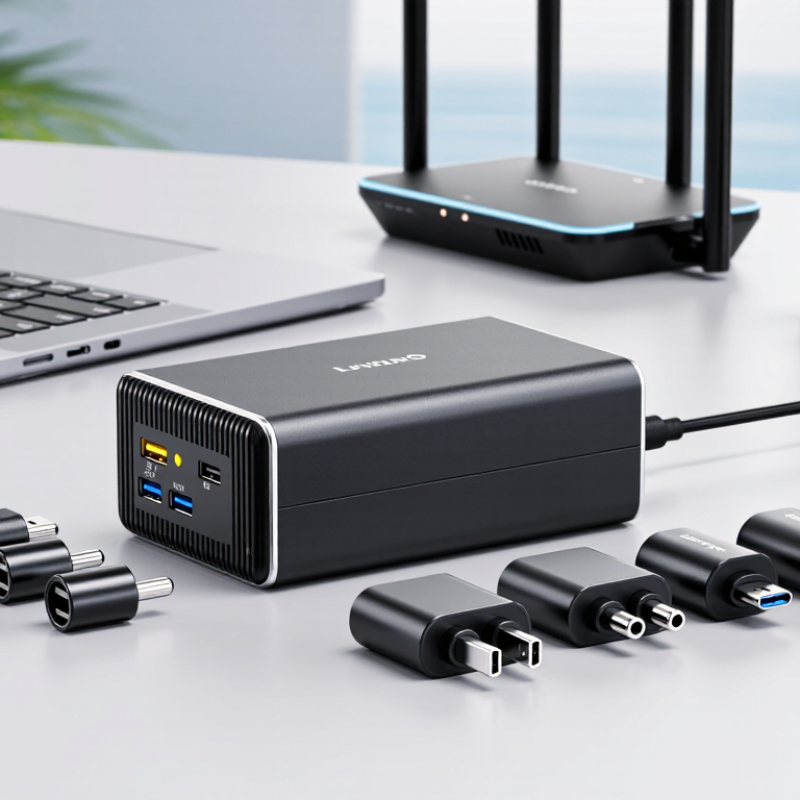
A universal power adapter is a device designed to connect electrical equipment with different outlet systems. Its purpose is practical: it matches a wall socket’s shape with a device’s plug. Some models also convert voltage, but many only change the plug format. That difference matters. A plug adapter cannot safely reduce 230 volts to 120 volts. A voltage converter can, when its rated capacity supports the equipment.
Inside a suitable adapter, contacts route electricity through compatible connections. Advanced models may regulate voltage, limit current, and protect against overheating. IEC 60884-1 provides requirements for household plugs and socket-outlets.
The IEA’s Electricity 2024 report expects global electricity demand to grow by about 4% in 2024. Meanwhile, GSMA’s Mobile Economy 2024 report recorded roughly 4.7 billion mobile internet users in 2023. These figures show why portable charging equipment must remain reliable across locations. Still, compatibility labels can be confusing, and I sometimes find the fine print more important than the product shape.
Tips: Check voltage, frequency, current, polarity, and wattage before connecting equipment. Confirm whether the adapter converts voltage or only changes plug geometry. Avoid exceeding its maximum load. Inspect loose pins, cracked insulation, or unusual heat. For high-power appliances, use a properly rated converter and follow the equipment manual. A universal adapter is convenient, but “universal” never means suitable for every device.
