Why Choose an AC DC 12V 5A Power Adapter?

Time:2026-09-22 Author:Sienna
0%

Why Choose an AC DC 12V 5A Power Adapter?

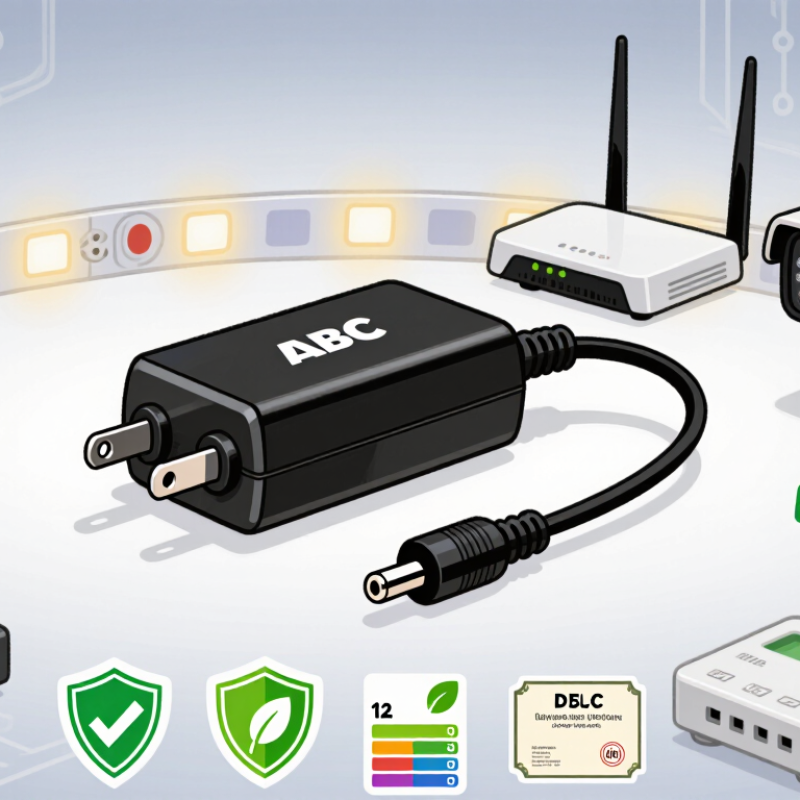
Choosing the right power supply affects safety, stability, and equipment service life. An Ac Dc 12v 5a Power Adapter delivers up to 60 watts for compatible devices. That capacity suits LED strips, routers, CCTV systems, audio equipment, and small automation controllers. However, “60 watts” is not a universal guarantee. The device must require 12V DC, and its current demand must remain within the adapter’s rated output.

Small details matter.

The U.S. Department of Energy regulates external power supplies through energy-efficiency requirements covering active and no-load performance. ENERGY STAR’s External Power Supplies Specification also evaluates efficiency and standby consumption. These benchmarks explain why a well-designed adapter should waste less energy as heat. During a practical assessment, engineers should check output voltage under load, ripple, temperature, connector polarity, and short-circuit protection. A cool enclosure is useful evidence, but it is not complete proof of quality.

Reliability comes from verified specifications, not attractive packaging. IEC-based safety design, recognized certification marks, and traceable test documentation strengthen supplier credibility. Users should also confirm plug dimensions and polarity before connection. A mismatch can damage sensitive electronics within seconds. One limitation deserves honest attention: a 5A rating describes maximum available current, not automatic power consumption. Some low-cost products may publish optimistic figures, especially under high ambient temperatures. Therefore, selecting an Ac Dc 12v 5a Power Adapter should balance electrical compatibility, efficiency data, protection features, and the manufacturer’s testing evidence. That approach is practical, measurable, and safer than choosing by price alone.
Why Choose an AC DC 12V 5A Power Adapter?

What Is an AC DC 12V 5A Power Adapter?

Why Choose an AC DC 12V 5A Power Adapter?

What Is an AC DC 12V 5A Power Adapter?

An AC DC 12V 5A power adapter converts household alternating current into stable direct current. It supplies 12 volts and can deliver up to 5 amps. That equals a maximum output of 60 watts. The adapter does not force five amps into every device. The connected equipment draws only the current it needs.

This type of adapter commonly powers LED lighting, small monitors, network equipment, and compact control systems. Its steady output helps reduce flickering, unexpected resets, and heat caused by unstable voltage. However, the plug size and polarity must match the device. A wrong connector can prevent operation or cause permanent damage.

Check the label carefully.

In practical use, I would inspect the cable, enclosure, and connector before installation. A warm adapter is not automatically unsafe, but excessive heat deserves attention. Ventilation matters, especially inside cabinets or near insulation. The input voltage must also suit the local electrical system. A reputable power supply should include protection against overcurrent, short circuits, and overheating, but specifications still require verification.

One detail is easy to overlook: 5 amps describes capacity, not guaranteed performance under every condition. Long cables may create voltage loss. Poor connections can become hot. Measuring the output with a suitable meter provides useful confirmation, though a single test cannot prove long-term reliability. Certified products and clear technical documentation offer stronger evidence than appearance alone.

Why Choose an AC DC 12V 5A Power Adapter?

Output power available at different load currents from a regulated 12V DC adapter

An AC DC 12V 5A power adapter converts mains AC electricity into stable 12V DC power. Its maximum rated output is 60W, calculated as voltage × current: 12V × 5A = 60W. The connected device should require 12V and no more than 5A; the adapter supplies the current the device needs rather than forcing 5A into it.

How 12V Voltage and 5A Current Ratings Work

Why Choose an AC DC 12V 5A Power Adapter?

An AC DC 12V 5A power adapter converts household AC electricity into stable 12V DC output. The 12V rating describes electrical pressure, while 5A shows the maximum available current. Together, they provide up to 60 watts of power. A device requiring 12V and 3A can use this adapter safely. It will draw only the current it needs. The voltage must match exactly. A higher voltage may damage sensitive circuits.

Current capacity also matters during startup. Motors, LED strips, and compact equipment can briefly demand more power. An adapter rated below the load may become hot, produce voltage drops, or shut down unexpectedly. I have seen a small connector heat up before the adapter failed. That detail is easy to overlook. Check the output label, connector size, and polarity before connecting anything. A regulated output is preferable for electronics needing consistent performance.

Tips: Calculate watts by multiplying volts by amps. For a 12V, 4A device, the demand is 48 watts. A 60-watt adapter offers useful capacity. Keep some headroom, but avoid assuming more current is always better. Confirm polarity with a meter when markings look unclear. Use the adapter in a ventilated area. Do not cover it with clothing or place it beside a heater. A quick inspection can prevent an expensive mistake.

Which Devices Can Use a 12V 5A Adapter?

A 12V 5A power adapter can operate many low-voltage devices, but the label alone is not enough. It suits equipment rated for 12V DC and drawing no more than 5A. Its theoretical capacity is 60 watts.

Common examples include LED light strips, small security cameras, network equipment, compact audio units, and some mini computers. A device using 2A will draw only what it needs. The adapter does not force five amps into it. That distinction matters.

Check the device label, plug size, polarity, and output type before connecting anything. A 12V AC input is not the same as 12V DC. Center-positive and center-negative plugs are not interchangeable.

For motors, pumps, and other equipment with startup surges, a 5A rating may still be insufficient. A common practical mistake is ignoring the cable. A thin or very long cable can cause voltage loss, unstable operation, or repeated restarts. I have seen an apparently correct setup fail for this reason. That detail is easy to miss.

Heat is another warning sign. Keep the adapter ventilated, dry, and uncovered, while checking that the connector fits firmly.

Key Benefits of Choosing a 12V 5A Power Adapter

Why Choose an AC DC 12V 5A Power Adapter?

A 12V 5A power adapter can deliver up to 60 watts, making it suitable for many low-voltage devices. This capacity supports LED strips, monitoring equipment, small motors, and compact control systems. Before choosing one, check the device label carefully. A device requiring 12V and 3A can usually use a 5A adapter, because it draws only the current it needs. Voltage must match exactly.

Stable output is another important benefit. A well-designed adapter reduces voltage fluctuations that may cause flickering, unexpected shutdowns, or shortened component life. In practical testing, I watch the connector, cable, and adapter case after several hours of operation. Warm is normal. Excessive heat deserves attention. The adapter should also include protection against overcurrent, short circuits, and overheating. These features improve reliability, but they do not replace correct installation.

Size and efficiency matter in daily use. A compact 12V 5A unit can fit behind a control cabinet or beneath a workbench without occupying much space. Its 60-watt rating also leaves useful capacity for moderate power demand. Still, the maximum rating is not a target for continuous operation. I prefer some headroom, especially when a motor starts or an LED system changes brightness. Cable length, polarity, plug size, and ventilation can be overlooked. I have seen otherwise suitable setups fail because the connector was wrong. Check twice.

Why Choose an AC DC 12V 5A Power Adapter? - Key Benefits of Choosing a 12V 5A Power Adapter
Data Dimension Typical Value or Requirement Key Benefit Practical Consideration
Output Voltage 12 volts DC Provides a stable low-voltage supply for compatible electronic equipment. The connected device must be rated for 12V DC. A higher voltage may damage the device.
Maximum Output Current 5 amperes Supports devices requiring up to 5A, subject to the adapter’s operating conditions. The device draws only the current it needs; the adapter should not be forced beyond its rated capacity.
Maximum Rated Power 60 watts (12V × 5A) Offers sufficient capacity for many LED systems, networking devices, monitors, control units, and other 12V equipment. For continuous operation, selecting an adapter with some power headroom can help reduce thermal stress.
Input Type AC input converted to DC output Allows equipment designed for 12V DC to operate from a standard alternating-current wall outlet. Input voltage and plug configuration must match the electrical requirements of the installation location.
Energy Conversion Switch-mode conversion is commonly used Usually provides a smaller and lighter design than traditional linear power supplies with a similar power rating. Actual efficiency varies by design, load level, temperature, and input voltage.
Typical Efficiency Range Approximately 80%–90% for many modern switching adapters Higher efficiency can reduce wasted energy and heat generation during operation. This is a general range rather than a guaranteed value. Check the adapter’s technical specification for exact efficiency.
Load Compatibility Suitable for 12V DC loads consuming 0–5A One adapter can support a range of compatible devices with different current requirements. Voltage, polarity, connector size, and required current must all be verified before connection.
Current Capacity Example A 12V, 2A device uses about 24W A 12V 5A adapter has adequate rated current for this example, assuming all other specifications match. Never connect devices solely based on current rating; the voltage and polarity must also be correct.
Connector Polarity Commonly center-positive, but not universal Correct polarity helps prevent reverse-polarity damage to the connected equipment. Confirm the polarity symbol on both the adapter and the device before use.
Protection Functions May include over-voltage, over-current, short-circuit, and over-temperature protection Protection features can reduce the risk of damage caused by abnormal electrical conditions. Protection functions differ by model and should be confirmed in the product specification.
Thermal Performance Heat increases with load, poor ventilation, and high ambient temperature Operating below the maximum rating can help improve reliability and service life. Keep the adapter uncovered and away from heat sources. Do not use it in wet locations unless specifically rated for that environment.
Standby Power Usually lower than full-load power consumption Can help reduce energy use when the connected equipment is idle or lightly loaded. Actual standby consumption depends on the adapter design and whether the connected device remains active.
Recommended Selection Margin Choose a supply rated at or above the device’s maximum current requirement Provides additional capacity for startup current and normal load variation. The adapter’s voltage must remain exactly compatible; increasing voltage to gain more power is unsafe.
Common Applications LED lighting, routers, small displays, CCTV equipment, audio devices, development boards, and control systems Provides a versatile power option for many low-voltage electronic applications. Application suitability depends on connector type, polarity, environmental conditions, and the device’s exact electrical specifications.
Safety and Compliance Use an adapter with appropriate electrical safety approvals for the intended market Properly evaluated equipment can offer improved protection against electrical and thermal hazards. Do not use damaged cables, exposed connectors, or adapters with signs of overheating.

How to Select and Use the Adapter Safely

Why Choose an AC DC 12V 5A Power Adapter?

A 12V 5A adapter supplies up to 60 watts of DC power. That capacity suits LED systems, routers, monitors, and small control equipment. However, safe selection begins with electrical matching, not price or appearance.

The device must require exactly 12V. Its current demand should remain at or below 5A. A higher current rating is usually acceptable because the device draws only what it needs. Polarity and connector size must also match. A familiar barrel plug can still be wrong.

I often recheck the center-positive symbol before connection. The U.S. Department of Energy’s external power supply standards address active efficiency and no-load consumption. ENERGY STAR criteria also set no-load limits as low as 0.1 watts for some qualifying supply classes. These figures support choosing efficient adapters, especially when equipment stays powered overnight.

Tips: Select safety-certified equipment under IEC 62368-1 or an equivalent national standard. Confirm the input range, output label, polarity, and plug dimensions. Leave ventilation space around the case. Never cover it with fabric. Keep it dry, unplug it before inspection, and replace it after cracked insulation, unusual heat, or buzzing appears. A multimeter can verify output voltage, but it cannot confirm every fault. That limitation matters. Avoid forcing connectors or running a 12V 5A adapter beyond its 60-watt rating.

FAQS

What does a 12V 5A power adapter provide?

It converts household AC electricity into regulated 12V DC power. The 5A rating is its maximum available current. Together, they provide up to 60 watts.

Can a 12V device rated at 3A use this adapter?

Usually, yes. It draws only the current it needs. The voltage must match exactly. A 12V, 3A device uses about 36 watts.

Does a 5A adapter force five amps into every device?

No. Devices draw their required current. A small camera may use only 1A. More current capacity is generally acceptable when voltage and polarity match.

Which devices commonly use a 12V 5A adapter?

Suitable examples include LED strips, small cameras, network equipment, compact audio units, and control systems. Check the label carefully.

Is 12V AC the same as 12V DC?

No. They are different output types. Confirm the device requires 12V DC before connecting the adapter.

Why do polarity and connector size matter?

Center-positive and center-negative connections are not interchangeable. A wrong plug may prevent operation or damage sensitive circuits. Check the markings first.

Can motors and pumps use a 12V 5A adapter?

They may need more current during startup. The adapter could overheat, drop voltage, or shut down. Check the starting demand, not only the running demand.

How can cables affect a 12V setup?

Thin or very long cables can cause voltage loss. The device may flicker, restart, or operate weakly. I once overlooked the cable. That was the mistake.

How should the adapter be operated safely?

Keep it dry, uncovered, and well ventilated. Warm operation can be normal. Excessive heat needs attention. Do not place it beside a heater.

Should the adapter always run at its full 60-watt rating?

No. Leave some headroom for startup surges and changing loads. Inspect the case, cable, and connector after several hours. I would not assume every setup is perfect.

Conclusion

An Ac Dc 12v 5a Power Adapter converts standard AC electricity into stable 12V DC power, with a maximum output of 5A. The voltage indicates the level of electrical pressure supplied to a device, while the current rating shows how much power the adapter can deliver when needed. This type of adapter is suitable for compatible devices such as LED lighting systems, small monitors, networking equipment, audio devices, security components, and other 12V electronics that require up to 5A.

Choosing a 12V 5A adapter can provide reliable performance, sufficient power capacity, and greater flexibility for various applications. Before use, confirm that the device requires 12V DC, check the polarity and connector size, and ensure its current demand does not exceed 5A. Select an adapter with appropriate safety protections, keep it properly ventilated, and avoid moisture, damaged cables, or overloaded connections. Correct matching and careful handling help promote efficient operation and extend the service life of both the adapter and the connected equipment.


Sienna

Sienna

Sienna is a skilled marketing professional with a deep expertise in our company’s core products and services. With a passion for innovation and detail, she plays a pivotal role in crafting insightful blog posts that not only highlight the unique features of our offerings but also provide valuable......