Direct from audited Shenzhen & Shaanxi production facilities — fully certified, custom-engineered power solutions.
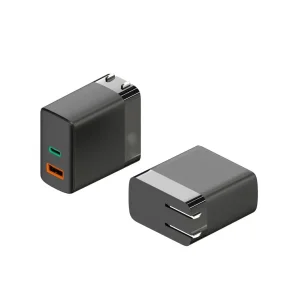
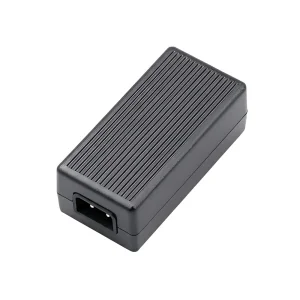
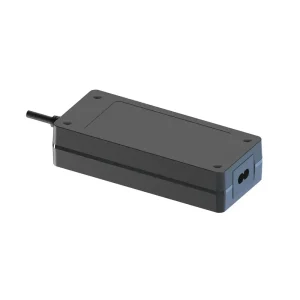
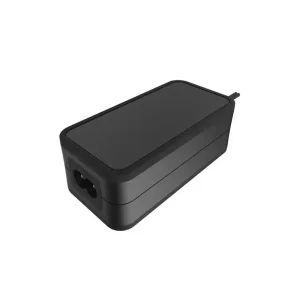
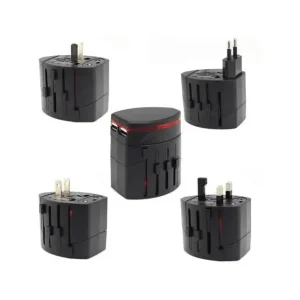
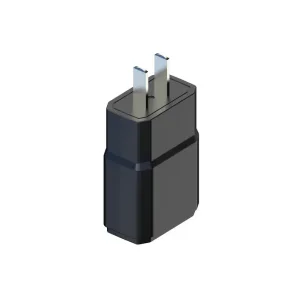
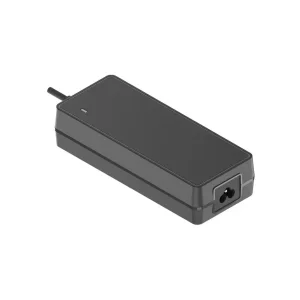
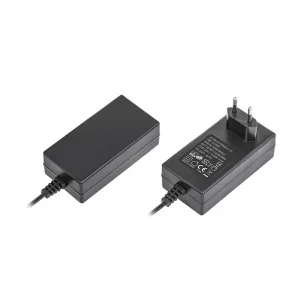
In modern electrical engineering and industrial power transmission, the DC Input Cable serves as a vital arterial link between external DC power sources (such as AC-DC switching power adapters, industrial DC buses, solar charge controllers, and battery energy storage systems) and target electronic devices. Unlike standard household AC mains cables, direct current (DC) input harnesses demand rigorous technical engineering to handle high current density, minimize conductor resistance, mitigate voltage drop over distance, and guarantee thermal stability under continuous peak loads.
A high-performance wholesale DC input cable is far more than two insulated copper conductors. It is an intricately engineered assembly comprising Oxygen-Free Copper (OFC) or Tinned Copper wire strands, custom-extruded thermoplastic insulation (PVC, TPE, PUR, or Silicone), precision-molded strain reliefs (SR), specialized electromagnetic interference (EMI) shielding layers, and duty-specific termination connectors (such as 5.5x2.1mm / 5.5x2.5mm DC barrel plugs, Kycon DIN connectors, Anderson Powerpole plugs, or custom terminal blocks).
When procurement teams evaluate wholesale DC input cable suppliers, technical evaluation must center on five core parameters that govern cable longevity, safety compliance, and energy conversion efficiency:
Calculated according to American Wire Gauge (AWG) standards. Selecting the correct gauge (e.g., 16 AWG for high-current 10A applications vs. 24 AWG for 1A signaling) prevents excessive copper heating and ensures compliance with DoE Level VI and EU ErP energy efficiency mandates.
Outer jacket materials must withstand continuous voltage stresses (typically rated from 30V up to 300V/600V DC) and environmental factors such as UV radiation, oil exposure, ozone degradation, and mechanical abrasion without breakdown.
Industrial applications subject input cables to thousands of flex cycles. Premium factories employ fine-stranded conductor construction (e.g., 41 strands of 0.16mm tinned copper) coupled with custom strain-relief geometry to pass >10,000 cycle 90° flex fatigue testing.
Why Tier-1 OEMs, industrial brands, and global distributors source direct from Guangdong and Shaanxi manufacturing hubs.
China’s specialized electronic ecosystems (such as Shenzhen, Dongguan, and Shaanxi) offer unparalleled vertical integration. Conductor wire drawing, PVC/TPE pellet compounding, automated terminal crimping, precision injection molding, and ultrasonic welding occur within concentrated regional clusters, dramatically lowering material lead times and logistic overheads.
Leading Chinese factories operate modern SMT and automated wire-harness processing lines equipped with Automated Optical Inspection (AOI), automated wire stripping and crimping machines, 100% online Hi-Pot insulation testers, and computer-controlled pull-force monitoring. This eliminates human error across large-scale wholesale production runs.
With dedicated in-house tooling shops, Chinese suppliers can transform customer CAD drawings or 3D connector specs into physical functional samples within 7 to 10 working days. Custom overmolding dies, specialized lockable connectors, and custom wire lengths are tailored with minimal tooling cost amortized over volume orders.
The global transition toward high-efficiency power delivery, renewable energy, electrification, and compact high-density power supplies is fundamentally changing the functional requirements of DC input cables. Modern buyers are moving away from standardized generic commodities toward highly specialized, intelligent power cord assemblies.
| Industry Trend | Traditional DC Input Cable | Next-Generation Wholesale DC Cable Standard | Primary Industry Impact |
|---|---|---|---|
| High-Power Density & USB PD 3.1 EPR | Standard 12V / 24V barrel plug (Max 60W-100W) | Type-C DC Input with E-Marker ICs supporting 48V / 5A (Up to 240W-300W) | Laptops, portable power stations, mini PCs, and high-performance LED drivers. |
| Eco-Friendly & Halogen-Free Materials | Standard phthalate-containing PVC jackets | RoHS 3.0, REACH & Halogen-Free TPE/Silicone (UL94 V-0 flame rated) | Medical technology, cleanroom electronics, EU/North American consumer markets. |
| Portable Energy & Solar Integration | Fixed indoor wiring with soft PVC insulation | UV-resistant, weatherized IP67/IP68 solar DC input harness (MC4/Anderson) | Outdoor solar generators, RV power systems, off-grid battery storage systems. |
| High Voltage DC (HVDC) Architecture | Low-voltage DC (<60V rating) | 300V / 600V rated shielded DC input cables with EMI copper braiding | Automotive auxiliary systems, EV charging stations, robotic automation systems. |
Custom engineering frameworks tailored for demanding technical environments across key enterprise industries.
Industrial manufacturing environments subject power input cords to constant bending, torsional shear, vibration, oil exposure, and abrasive friction. Wholesale DC input cables engineered for industrial controllers, PLCs, and robotic arms utilize high-flexibility PUR (Polyurethane) outer jackets, drag-chain rated tinned copper conductors, and threaded screw-locking DC connectors (such as M12 or twist-locking DC jacks) to prevent accidental disconnects during continuous operation.
DC input cords supplying medical monitors, diagnostic tools, patient care equipment, and surgical lighting must meet stringent biocompatibility and safety standards. Requirements include ultra-low leakage current (<10μA), high dielectric isolation (2xMOPP), flame-retardant non-toxic outer materials (UL94 V-0), anti-microbial outer jackets, and distinctive clinical color coding.
Telecommunication infrastructure, remote outdoor routers, and 5G small cell nodes require stable 24/7 power input. Wholesale cables designed for telecom applications feature heavy-gauge copper conductors (14 AWG - 18 AWG) to combat voltage drop over extended cable runs, integrated aluminum foil + braid double shielding against high-frequency electromagnetic interference (EMI), and weather-proof sealing grommets.
High-volume consumer hardware demands sleek aesthetic integration, compact overmolded plugs, and user-friendly durability. Cables supplying automatic vacuum cleaners, smart home hubs, LED desk lamps, and personal care appliances feature customized strain-relief boots, right-angle DC plug options, dynamic strain relief, and custom branded cable ties or silkscreened OEM logos.
A frequent engineering oversight in global procurement is failing to account for cable conductor resistance across long DC power runs. Because DC voltage lacks the transformer step-down capabilities of AC systems, wire gauge selection directly dictates system efficiency and operating temperature.
To calculate the allowable voltage drop ($\Delta V$) over a DC input cord, engineers utilize the foundational formula:
The following engineering matrix outlines recommended AWG wire sizing based on target continuous DC current and distance, keeping total voltage drop under a strict 3% threshold:
| Target DC Current (Amperes) | Cable Length: 1 Meter | Cable Length: 2M - 3M | Cable Length: 5 Meters+ | Recommended Plug Type |
|---|---|---|---|---|
| 0.5A - 2.0A (Low Power) | 24 AWG (0.22mm²) | 22 AWG (0.33mm²) | 20 AWG (0.52mm²) | 5.5 x 2.1mm Standard DC Barrel |
| 2.1A - 5.0A (Medium Power) | 20 AWG (0.52mm²) | 18 AWG (0.82mm²) | 16 AWG (1.31mm²) | 5.5 x 2.5mm / Tuning Fork Plug |
| 5.1A - 10.0A (High Power) | 18 AWG (0.82mm²) | 16 AWG (1.31mm²) | 14 AWG (2.08mm²) | Kycon 4-Pin / Lockable Threaded DC |
| 10.1A - 20.0A+ (Industrial / Storage) | 14 AWG (2.08mm²) | 12 AWG (3.31mm²) | 10 AWG (5.26mm²) | Anderson Powerpole / XT60 / Terminal Block |
A rigorous quality audit framework for supply chain directors, procurement managers, and component engineers.
Ensure the supplier provides full material composition data sheets (MDS). Conductor copper purity should be certified at ≥99.97% Oxygen-Free Copper to prevent internal oxidation and excessive resistive heating. Verify that outer jacket PVC or TPE formulations comply with SVHC (Substances of Very High Concern) under EU REACH and RoHS 3.0 directive limits.
Audit whether the supplier performs 100% automated electrical testing before packing. Mandatory production-line test steps include: (a) Continuity and Pinout polarity test; (b) Hi-Pot Dielectric Withstand testing (typically 1000V - 3000V DC between conductors); (c) Insulation Resistance (>100MΩ); and (d) Mechanical Strain Relief pull-force verification (≥60N to 100N pull force).
Evaluate the factory's flexibility regarding minimum order quantities (MOQ). Standard platform models using existing overmolding dies should offer low MOQs (e.g., 500 pcs), while bespoke connector geometries should include clear NVR (Non-Recurring Engineering) mold ownership agreements that grant the buyer full IP rights over proprietary tooling.
Complete product range engineered for heavy-duty commercial, industrial, and consumer applications.
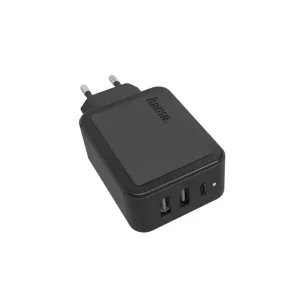
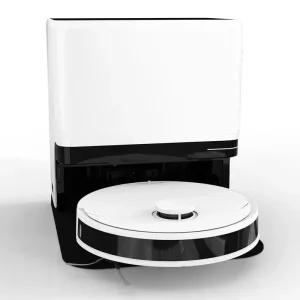
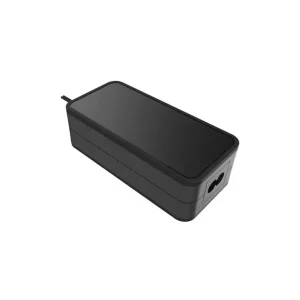
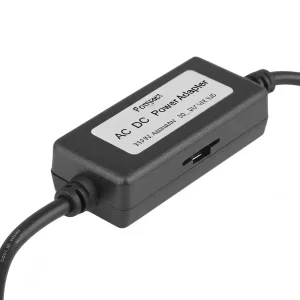
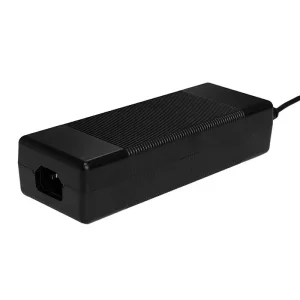
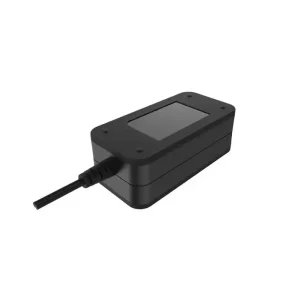
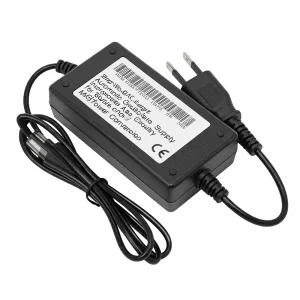
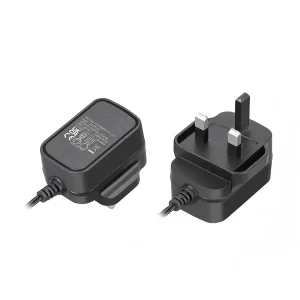
In-depth engineering and commercial answers to help procurement teams streamline factory negotiation and technical validation.
For standard DC input cables utilizing stock conductor specs (e.g., 18 AWG / 20 AWG black PVC cable) and standard DC barrel mold sizes (5.5x2.1mm or 5.5x2.5mm), the starting MOQ is typically 500 to 1,000 pieces. For completely custom overmolded connectors, non-standard outer jacket colors (e.g., medical white or Pantone-matched shades), or specialized halogen-free TPE materials, the initial production MOQ starts at 3,000 pieces to account for extrusion line tooling setup.
For a continuous 5-Ampere current load at 12V DC over a standard 1.5-meter distance, we recommend a minimum conductor size of 18 AWG (0.82mm² cross-sectional area). Using an undersized 22 AWG or 24 AWG wire would lead to excessive conductor resistance (approx. 0.08Ω drop), generating localized heat and dropping output voltage at the device terminal below operational limits.
Tinned copper conductors feature a micro-thin coating of tin over each individual copper strand. This provides superior resistance against copper oxidation and corrosion caused by humidity, industrial chemicals, or marine salt air. Additionally, tinned copper greatly improves solderability during PCB assembly and wire termination while retaining high flexibility.
Reliable cable factories utilize automated 90-Degree Bending Test Machines. A cable sample is fixed into a strain-relief clamp with a standardized hanging weight (typically 200g to 500g). The machine swings the cable back and forth through a 180° arc at 60 cycles per minute. Quality cables must endure between 5,000 and 10,000 continuous bending cycles without internal copper wire strand breakage or electrical resistance variance exceeding 5%.
For North American importation, ensure the cable wire raw material carries UL Wiring Harness certification (such as UL 2468, UL 1185, or UL 20276) and complies with VW-1 flame test ratings. For the European Union, demand official testing documentation for RoHS 3.0 (2015/863/EU), REACH SVHC compliance, and CE compliance under the Low Voltage Directive (LVD) if operating above 50V DC.
Rapid electrical engineering samples built using existing connector molds are delivered in 5 to 7 working days. If a project requires custom injection mold creation for a bespoke strain relief or proprietary plug housing, mold fabrication takes 12 to 15 days. Mass production after sample sign-off typically requires 18 to 25 calendar days depending on total order volume and custom packaging specifications.
Whether you require custom DC input cables, high-current wire harnesses, or fully certified AC-DC switching power adapters, our engineering team in Shenzhen and Shaanxi provides complete turn-key support.