High-efficiency power management systems, high-torque suction units, and heavy-duty power supplies engineered to meet Nordic operational demands.
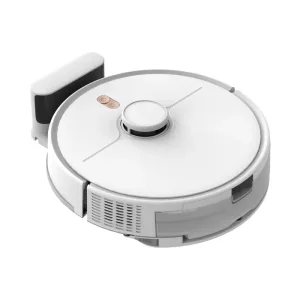
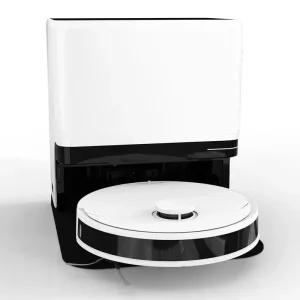
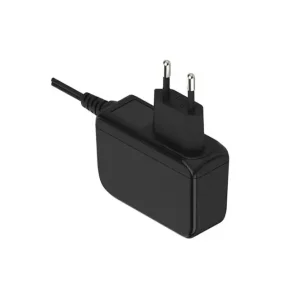
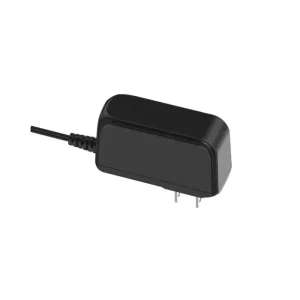
Norway’s commercial cleaning and facilities management sector is undergoing a massive transformation toward full automation. Driven by the world's highest operational labor costs, stringent working environment regulations (Arbeidsmiljøloven), and ambitious ESG sustainability mandates, Norwegian enterprises are rapidly deploying commercial robotic vacuums across logistics hubs, healthcare facilities, education centers, and commercial real estate.
This report delivers an engineering-level evaluation of Chinese robotic vacuum manufacturing, component supply chains, custom battery management systems (BMS), power conversion stability, and local Norwegian regulatory compliance frameworks (CE, Nemko, EcoDesign, WEEE).
Chinese OEM/ODM robotics manufacturers now deliver over 85% of global commercial robotic vacuum hardware. Partnering directly with Tier-1 Shenzhen and Shaanxi manufacturing plants provides Norwegian distributors and B2B buyers with direct access to custom PCB topologies, localized firmware, co-developed docking stations, and 30-40% lower Total Cost of Ownership (TCO).
Analyzing local facility management needs across Oslo, Bergen, Stavanger, and Trondheim.
Norway maintains strict collective bargaining agreements (Tariffavtale) in the cleaning sector. With hourly labor costs exceeding 350 NOK (~$33 USD) before benefits, automated floor care is no longer a luxury but an absolute operational necessity for facility managers in commercial offices and airports.
Norwegian winters bring heavy snow, road salt, gravel, and slush into building foyers. Commercial robotic vacuums deployed in Norway require extreme suction power (exceeding 6,000–8,000 Pa), heavy-duty rubber roller brushes, and corrosion-resistant sealed internal electronics.
Norwegian buyers prioritize products aligned with Nordic Swan Ecolabel parameters, emphasizing low energy consumption during docking standby, long battery cycle life (>1,500 cycles), repairability, and 100% recyclable casing plastics (UL94 V-0 flame-retardant PC+ABS).
Deploying a fleet of 5 commercial autonomous cleaning robots reduces annual facility floor care expenses in a 10,000 m² office complex in Oslo from 1.2 Million NOK to approximately 280,000 NOK, inclusive of energy consumption, capital equipment depreciation, replacement parts, and maintenance service SLAs.
From PCB layout to AI perception algorithms: What makes a industrial cleaning robot qualified for Nordic commercial environments.
| Subsystem | Standard Consumer Spec | Norway Commercial-Grade Export Spec | Technical Advantage |
|---|---|---|---|
| Navigation & Mapping | Single LDS LiDAR + Bumpers | Dual LiDAR + 3D ToF + AI Visual SLAM Sensor Fusion | Prevents navigation lockup in dark winter lighting & high-glare glass facades. |
| Suction Motor & Airflow | 2,000 Pa – 4,000 Pa (Brushless) | 6,000 Pa – 12,000 Pa Heavy-Duty Nidec Motors | Extracts coarse grit, heavy gravel, and wet slush particles from entryway matting. |
| Battery Management (BMS) | Standard Li-ion (0°C to 40°C) | Low-Temp LiFePO4 with Pre-Heating Cycle (-15°C to 55°C) | Prevents lithium plating and battery degradation in cold storage or unheated vestibules. |
| Power Adapter / Docking | Standard 19V/1A Wall Adapter | 300W Constant Current / Wide-Input 90–264V IT-Grid Adapter | Resistant to line-neutral voltage floating found in Norwegian 230V IT grids. |
| Chassis Protection | IP20 Dust Protection | IPX5 Water Jet Protection & Anti-Corrosion Coating | Resists moisture damage from melted snow and aggressive floor cleaning chemicals. |
Standard lithium-ion batteries suffer severe capacity loss and internal resistance spikes when operating near 0°C. OEM Chinese manufacturers servicing Norway integrate smart BMS controllers equipped with active thermal PTC heating elements that maintain ideal cell temperatures during charging cycles, guaranteeing 85% capacity retention after 1,800 charge cycles.
Unlike standard European TN-S grids with explicit neutral wires, over 70% of Norway’s electrical distribution uses the 230V IT (Isolated Terra) system where both lines carry 133V relative to ground. Chinese manufacturing partners design custom switching power supplies equipped with Y-capacitors rated for 3000V isolation and common-mode chokes to prevent leakage trips on local ground-fault breakers (RCDs).
Quantifiable operational excellence backing OEM/ODM partnerships for the Norwegian market.
Deploying intelligent robotic fleets across specialized commercial environments.
Ultra-quiet operations (<52 dB) with HEPA H14 filtration capable of trapping 99.995% of airborne pathogens and micro-dust. Compliant with Norwegian health sector environmental hygiene standards.
Extended runtime battery packs with dual-station docking stations designed for continuous 24/7 cleaning across massive logistics parks in Gardermoen and Vestby.
Heavy-duty chassis models capable of dealing with grease, salt air, and metallic filings in industrial maintenance workshops near Stavanger marine terminals.
Navigating European directives, Nemko testing, and local spare-parts staging.
Navigating the legal framework to import commercial robotic electronics into Norway requires full adherence to European Economic Area (EEA) regulations:
To support high-uptime commercial commitments, Chinese manufacturers provide Norwegian distributors with customized spare parts supply matrices:
Addressing common engineering, logistics, and customization queries.
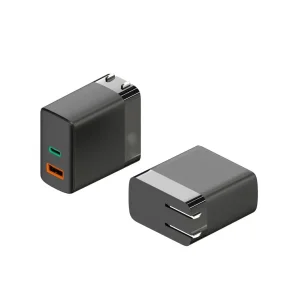
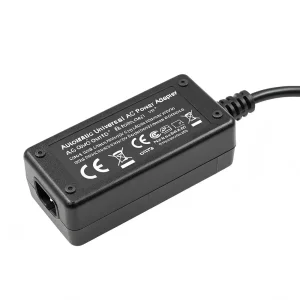
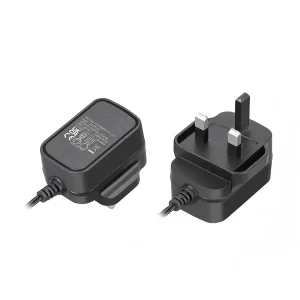
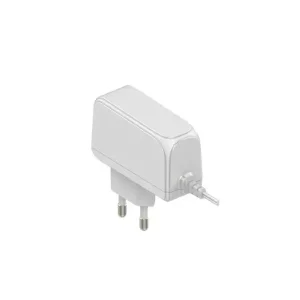
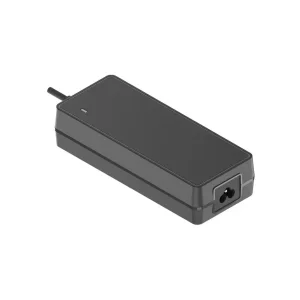
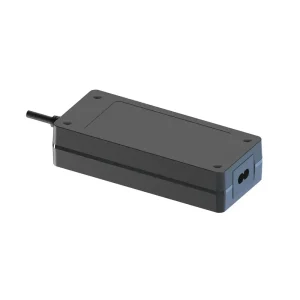
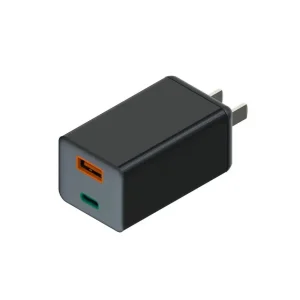
Explore our complete range of certified power conversion adapters, PD fast chargers, and desktop switching power supplies.
Accelerate your commercial robotics strategy in Norway. Get direct access to factory pricing, custom engineering support, and rapid compliance documentation.