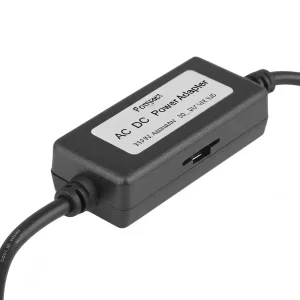
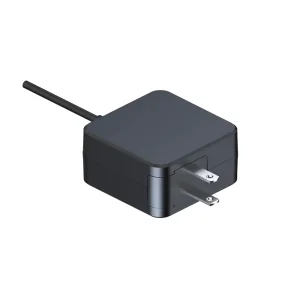
High-torque multi-function hand blenders, precision AC/DC power adapters, and smart driving electronics compliant with strict KC safety standards and South Korean 220V/60Hz grid specifications.
Understanding the structural evolution of South Korean consumer demographics, culinary habits, safety standards, and retail channel dynamics.
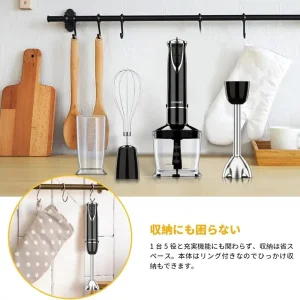
The South Korean small home appliance ecosystem is currently experiencing a profound structural transformation driven by macro-demographic shifts and evolving consumer lifestyle demands. With single-person households ("1인 가구") now representing over 34% of total Korean residences according to Statistics Korea (KOSTAT), kitchen spatial constraints have forced a sharp departure from cumbersome, single-purpose countertop appliances toward compact, high-efficiency, multi-functional culinary toolkits. The multi-function hand blender—traditionally viewed as a basic puree tool—has morphed into an indispensable power hub for contemporary Korean home cooking, premium meal kit preparation, and healthy dietary trends such as artisanal smoothie bowls and home-brewed baby food ("이유식").
Crucially, South Korea maintains one of the world's most rigorous consumer protection regulatory environments. Small appliance importers, brand owners, and TV home shopping networks (such as GS Shop, CJ ONSTYLE, and Hyundai Home Shopping) must navigate strict KC (Korea Certification) Mark requirements under the Electrical Appliances and Consumer Products Safety Control Act. Equipment deployed on South Korean 220V / 60Hz electrical infrastructure requires flawless electromagnetic compatibility (EMC/KCC), robust thermal insulation to prevent overheating during heavy food preparation, and food-grade material verification under Ministry of Food and Drug Safety (MFDS) standards.
Leveraging Guangdong’s world-class small appliance manufacturing ecosystem, integrated motor production, and rapid engineering turnaround.
For South Korean importers and brand owners seeking high margin potential, rapid go-to-market speed, and superior product durability, collaborating directly with a specialized Chinese OEM/ODM manufacturer in Shenzhen/Guangdong offers unmatched competitive leverage. Operating at the epicenter of global consumer electronics supply chains, our factory seamlessly integrates every tier of hand blender production—from initial CAD ergonomic modeling and PCB circuit design to motor winding, plastic injection molding, and automated robotic assembly.
While standard trading firms rebrand generic catalog items, our vertically integrated OEM facility provides deep structural customization. Our engineering team routinely customizes motor power curves, designs proprietary anti-splash blade geometries, and integrates custom loctal quick-release sockets specifically designed for heavy usage in Korean culinary preparation.
| Manufacturing Dimension | Our Direct Guangdong OEM/ODM Factory | Generic Trading Intermediaries | Impact on South Korean Brand Partners |
|---|---|---|---|
| Motor Technology & Drive | In-house BLDC & pure-copper high-torque AC/DC motor production | Outsourced aluminum-clad motors with high failure rates | Lower warranty claims (RMA <0.3%), longer product lifespan under heavy load |
| Regulatory Compliance (KC/EMC) | Pre-tested KC/KCC PCB layouts; direct laboratory testing setup | Third-party generic testing without local 220V/60Hz tuning | Accelerated certification approval in South Korea (reduced from months to weeks) |
| Industrial Design & Colors | Custom Pantone matching (Bespoke cream, matte finishes), custom tooling | Fixed public molds with limited color flexibility | High differentiation on Coupang, Naver Smart Store, and Home Shopping channels |
| Quality Control Protocols | 100% full-load burn-in testing, noise acoustic chamber check, AQL 0.65 | Basic visual sampling inspection before shipment | Protects brand equity and maintains 5-star consumer reviews on Korean e-commerce |
Technical specifications, food-grade metallurgy, variable speed drive algorithms, and power conversion integrity.
A high-performance multi-function hand blender requires a delicate balance between high rotational speed (RPM), high dynamic torque, and thermal dissipation management. When processing tough ingredients common in Korean cooking—such as dense garlic pastes, fibrous ginger, or semi-frozen fruit—conventional budget motors suffer from rapid heat accumulation, triggering thermal cutoff or motor winding burnout. Our engineering team addresses this challenge through advanced electromechanical design:
From seasonal Kimchi paste blending to trendy cafe milk frothing—optimizing attachments for real Korean culinary habits.
A systematic, step-by-step roadmap for South Korean brand management teams, purchasing managers, and retail buyers.
Sourcing small kitchen appliances internationally requires strict risk mitigation across engineering verification, supply chain scheduling, and regulatory compliance. Below is our standard enterprise project timeline engineered specifically for South Korean B2B client procurement:
Get direct factory pricing, engineering documentation, and KC certification guidance from our dedicated B2B sales team.
Send Inquiry NowIn-depth answers addressing regulatory standards, motor reliability, OEM customization limits, and logistical management.
Explore our wider catalog of precision small domestic appliance drivers, fast power supplies, smart socket strips, and universal voltage adapters.
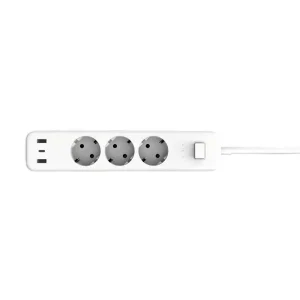
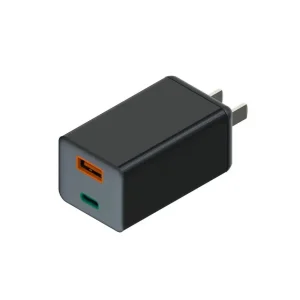
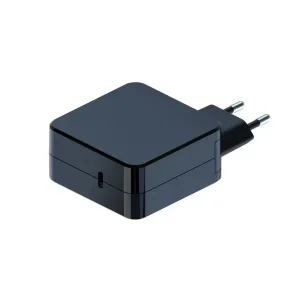
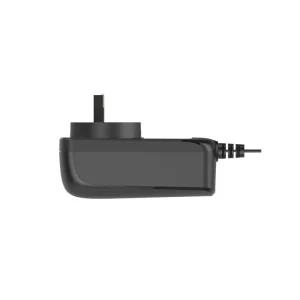
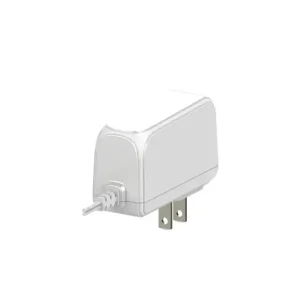
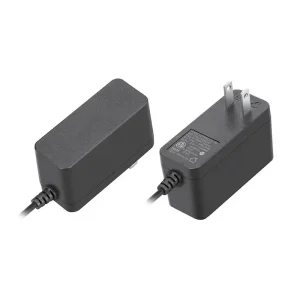
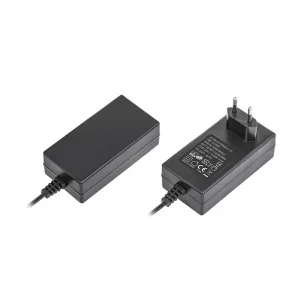
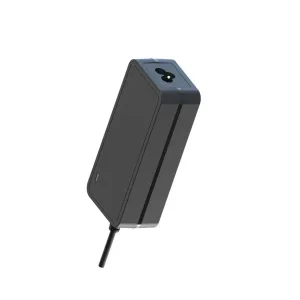
From customized OEM industrial designs to full KC certification support, our engineering team delivers market-ready solutions for South Korean brands.
Send Inquiry Now